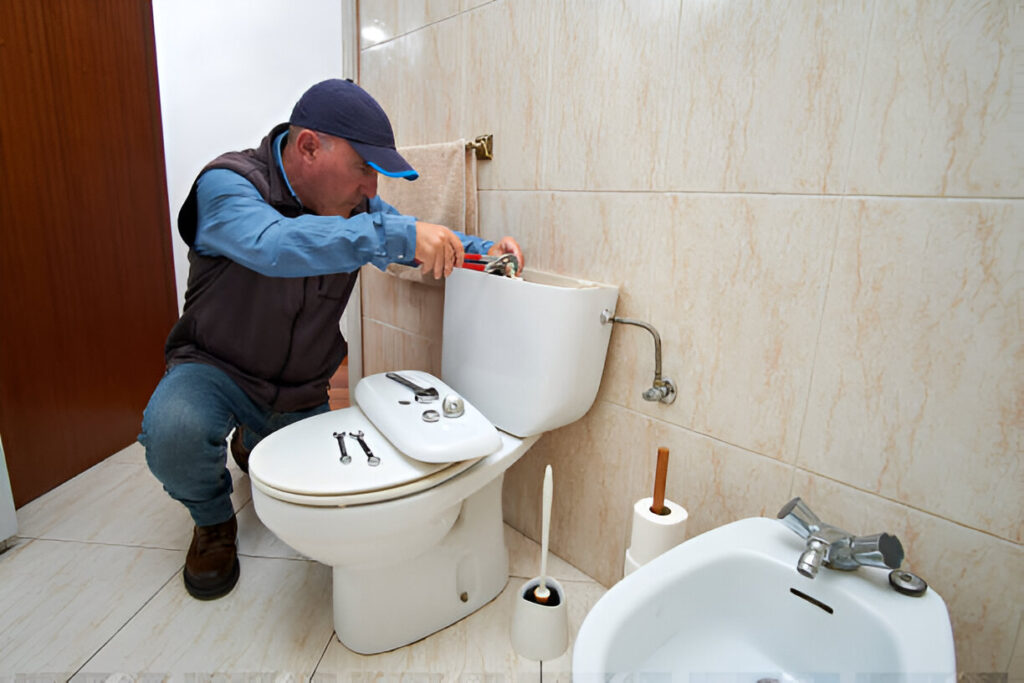
Why Your Running Toilet Is Costing You Money (And When to Replace It)
A running toilet is one of those home issues that doesn’t always make a scene. No puddle on the floor. No ceiling stain. Just a little “shhh” sound in the background and a water bill that slowly creeps up.
If you’re looking for running toilet repair in Minneapolis, this guide will help you:
Understand how much money a running toilet can waste.
Figure out what’s actually causing it.
Decide when a repair makes sense vs. when replacement is the smarter play.
The “silent leak” problem: how a running toilet wastes water
A toilet is supposed to fill once after a flush, then stop. When it doesn’t stop, you’re paying for water that goes straight down the drain.
The two ways toilets run (and why you might not notice)
Constant running: you can hear water movement most of the time.
Intermittent running: the toilet “kicks on” every few minutes or every hour as the tank slowly loses water.
That intermittent version is the sneaky one. A lot of homeowners only notice it at night when the house is quiet.
Quick Minneapolis reality check: water costs add up
In Minneapolis and the North Metro, water and sewer charges vary by city, but the important part is this: you typically pay for both water coming in and sewer going out. So when your toilet runs, you’re often getting hit twice.
What a running toilet can cost you (real-world ranges)
The exact cost depends on how badly it’s running and your local rates, but the waste can be huge.
Low, medium, and worst-case water waste scenarios
Minor leak (slow tank loss): can waste hundreds of gallons per day.
Moderate leak (noticeable refills): often wastes thousands of gallons per day.
Major leak (water constantly moving): can waste tens of thousands of gallons per month.
Even if you don’t want to do the math, here’s the practical takeaway: if your toilet is running for more than a day or two, it’s usually cheaper to fix it than to keep “waiting and seeing.”
The hidden cost: wear on parts and future damage
A constantly refilling tank means:
Fill valve components wear out faster.
Flappers deform sooner from constant movement and water exposure.
Mineral buildup (common in many MN water supplies) can accelerate failures.
Most running toilets start as a small parts issue. Left alone, they turn into repeated failures and frustration.
The most common causes (and what they look/sound like)
When we show up for a running toilet repair, it’s usually one of these issues. The nice part: many are straightforward fixes when diagnosed correctly.
Worn flapper or chain issues
The flapper is the rubber seal at the bottom of the tank. If it’s warped, slimy, cracked, or stiff, water leaks from the tank into the bowl.
Symptom: toilet runs intermittently; tank level slowly drops.
Clue: jiggle the handle and it stops temporarily.
Fill valve that won’t shut off
The fill valve is the assembly that refills the tank after a flush. If it sticks, has debris in it, or is just worn out, it can keep filling.
Symptom: you hear continuous filling even when the tank is full.
Clue: water trickles into the overflow tube.
Float level set too high
If the float is adjusted too high, the tank overfills and dumps excess water into the overflow tube.
Symptom: constant water movement into the overflow tube.
Clue: tank waterline sits above the manufacturer’s mark.
Overflow tube problems
If the overflow tube is cracked or the refill tube is shoved too far down into it, you can create a siphon effect that pulls water into the bowl.
Symptom: running that seems to come and go with no pattern.
Clue: refill tube is clipped incorrectly or submerged.
Cracked flapper seat or aging flush valve
Sometimes the sealing surface (flapper seat) is rough, pitted, or cracked, especially on older toilets. At that point, replacing the flapper alone may not solve it.
Symptom: new flapper doesn’t stop the leak.
Clue: you see mineral crust or damage where the flapper seals.
How to confirm the leak in 5 minutes (no tools)
If you suspect a silent leak, do this before you buy parts.
Dye test step-by-step
Remove the toilet tank lid and set it somewhere safe.
Add a few drops of food coloring (or a dye tablet) to the tank water.
Don’t flush. Wait 10 to 15 minutes.
If colored water shows up in the bowl, the tank is leaking into the bowl.
If the dye appears in the bowl, the issue is almost always the flapper/flush valve area (not the fill valve).
Quick listening and shutoff checks
Listen: do you hear a steady hiss or periodic refilling?
Look: is water going into the overflow tube?
Shutoff test: close the stop valve under the toilet; if the running stops and the tank level drops over time, you’ve confirmed an internal leak.
DIY fixes that are usually safe (and when to stop)
I’m all for homeowners handling simple stuff—as long as it stays simple. Here are a few options that are typically low-risk.
Adjusting the float
If water is spilling into the overflow tube, lowering the float can fix it. Many modern fill valves have an adjustment screw or clip.
Cleaning debris from the fill valve
Sometimes sediment causes the valve to not seat properly. Cleaning can help, but if the valve is old, replacement is usually the longer-term fix.
Replacing a flapper (common win)
Flappers are inexpensive and often the culprit. The key is using the correct flapper style and getting the chain length right. Too tight and it won’t seal; too loose and it can hang up.
When DIY turns into callbacks
Stop and call a pro if:
You’ve replaced the flapper and it still runs.
The tank bolts are corroded or leaking when you touch them.
You see cracks in the tank, bowl, or flush valve assembly.
You’re dealing with an older specialty toilet with hard-to-find parts.
A lot of “quick fixes” turn into bigger problems when parts don’t match or old hardware breaks.
Repair vs. replace: when replacing the toilet is the smarter move
Most running toilets are repairable. But not all repairs are worth it—especially if you’re chasing the same issue every year.
Signs the toilet should be replaced
It’s older and parts keep failing: you’re paying repeatedly for new internals.
Cracks, wobble, or chronic leaks: porcelain problems don’t “get better.”
Flush performance is poor: frequent double-flushing wastes water too.
Parts are obsolete: specialty valves can become a time sink.
If you’re remodeling: rough-in, height, and comfort upgrades
For North Metro remodels (especially basement baths), replacement can be the best time to get everything right:
Correct rough-in measurement: so the toilet sits clean to the wall without headaches.
Comfort height: a big upgrade for many homeowners.
Better layout planning: avoid tight clearances that annoy you for the next 10 years.
Water efficiency: what modern toilets do better
Modern high-efficiency toilets can reduce water use per flush while improving performance. If you’re replacing an older, inefficient toilet and it’s currently running, you can cut waste in two ways: eliminating the leak and reducing daily usage.
What to expect when you call MH Plumbing for running toilet repair in Minneapolis
We’re MH Plumbing—second-generation, family-owned, and based here in the North Metro. We do service work and remodel work, and we run everything with a simple goal: No Chaos.
Our “No Chaos” service call: clean, on-time, transparent
We respect your home with clean work practices and tidy finishes.
We respect your schedule with clear arrival windows and communication.
We’re transparent about pricing and options before work starts.
Up-front options: repair path vs replacement path
When we diagnose a running toilet, we’ll typically lay out clear choices:
Targeted repair: replace the failed internal part(s) and verify the fix.
Rebuild approach: replace the full internal set when multiple parts are aging.
Replacement: if the porcelain is failing, the toilet is obsolete, or you want an upgrade.
No pressure. Just a clean explanation so you can make the call that fits your house and budget.
Serving Minneapolis and the North Metro
We help homeowners and builders across Minneapolis and the North Metro area—Blaine, Coon Rapids, Andover, Ham Lake, and nearby communities.
FAQs about running toilets in Minnesota homes
Is a running toilet an emergency?
Usually it’s not an “drop everything” emergency, but it is urgent from a cost standpoint. If it’s running continuously, shut off the stop valve under the toilet until you can repair it.
Can a running toilet increase my sewer bill too?
Often, yes. Many municipalities bill sewer based on water usage. If more water goes through the meter, you may see both water and sewer charges rise.
Why does it run more in the winter?
Winter can expose marginal components because of household usage patterns (more time at home) and mineral buildup behavior. The bigger truth is that worn parts fail when they’re ready—winter is just when you notice it.
How long do toilet internals last?
It varies by water quality and usage, but flappers and fill valves are wear items. If you’re replacing the same part repeatedly, it’s worth having the whole system evaluated.
Next step: stop paying for water you’re not using
If your toilet keeps running, you don’t need to live with it for weeks—and you definitely don’t need guesswork.
If you’re in Minneapolis or the North Metro and want a clean, straightforward fix, reach out to MH Plumbing. We’ll diagnose it, explain your options, and get your bathroom back to normal—without turning your home into a job site.
Need running toilet repair in Minneapolis? Book a service call and we’ll take it from there.
