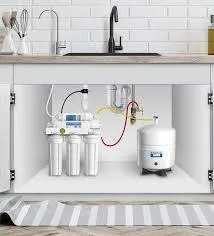
Reverse Osmosis Water Filtration: Real Benefits for North Metro Homes and Remodel Projects
If you’re a builder or remodeler, you’re not just picking a filter. You’re protecting the homeowner experience and your schedule. Reverse osmosis water filtration is one of the cleanest ways to deliver great-tasting water at the kitchen sink without turning the job into a science project.
Cleaner drinking water with broad contaminant reduction, especially when paired with proper prefiltration.Better taste for coffee and cooking, which homeowners notice on day one.Fewer bottled-water habits, which feels like an upgrade that actually gets used.Great fit for remodels because it’s usually under-sink and easy to keep contained.
What RO does well
RO pushes water through a semi-permeable membrane. That membrane helps reduce a long list of dissolved solids and other contaminants. In plain terms: you get cleaner, clearer, better-tasting water at the point of use.
Where RO isn’t the right tool
RO isn’t a cure-all for every water problem in North Metro Minnesota. If you’re dealing with iron staining, heavy hardness, sulfur smell, or bacteria concerns, we’ll talk about the right whole-house approach first. RO is typically the finishing move for drinking water, not the entire game plan.
What a reverse osmosis system actually removes (and what it doesn’t)
Homeowners hear “reverse osmosis” and assume it removes everything. The truth is: it’s excellent, but system design and water conditions matter.
Common contaminants RO targets
Most quality RO systems are designed to reduce:
Total dissolved solids (TDS) that impact taste and scaling.Lead and certain heavy metals depending on the system and certification.Nitrates and fluoride depending on membrane type and performance.Some PFAS/PFOA/PFOS reduction when the system is certified for it, often with carbon stages doing heavy lifting.
Pro tip for GCs: if a homeowner is asking about a specific contaminant, we’ll spec a system with the right third-party certification (NSF/ANSI standards) for that claim. That keeps everyone honest and avoids awkward conversations later.
Taste and odor improvements
Even when the water is “safe,” it can taste like chlorine, minerals, or old pipes. RO typically improves:
Chlorine taste and smell (usually handled by carbon prefilters).Off-flavors in ice that show up in high-end fridges and cocktail cubes.Cooking water quality for soups, pasta, and baby formula.
Hard water and iron: separate problems, separate fixes
Hardness and iron are common conversations around the North Metro. RO can reduce some dissolved minerals, but it’s not a substitute for:
A water softener for hardness and scale protection on fixtures.Iron filtration for staining, taste, and laundry issues.Proper well treatment if water testing shows bacteria concerns.
Clean drinking water in Isanti and the North Metro: why RO comes up so often
We get asked about clean drinking water Isanti and nearby communities because water quality can vary by source, neighborhood, and plumbing age. Some homeowners simply want better taste. Others have specific concerns they’ve read about or heard from neighbors.
City water vs well water considerations
City water homes: RO is often about taste, odor, and an extra layer of confidence at the kitchen sink.Well water homes: RO can be great, but only after we address the upstream issues like sediment, hardness, iron, or sulfur.New construction: this is the easiest time to plan drain routing, shutoffs, and clean cabinet layout.
Minnesota-specific concerns homeowners ask about
Homeowners around Blaine, Andover, Ham Lake, Coon Rapids, and Isanti frequently ask about:
PFAS and emerging contaminants and what systems are actually certified to reduce.Seasonal taste changes that show up in municipal supplies.Well water variability after heavy rain, drought, or nearby construction.
Under-sink RO vs whole-house filtration: choosing the right scope
This is where a lot of projects get messy. Not because RO is complicated, but because the scope isn’t defined early. The best setups are the ones that match how the home is used.
Best use cases for under-sink RO
Under-sink RO is usually the sweet spot for most remodels and many new builds:
Kitchen drinking and cooking water with a dedicated dispenser.Ice maker supply for better ice taste and fewer odors.Targeted filtration without filtering every shower and hose bib.
When whole-house filtration makes more sense
If the water problem shows up everywhere, a whole-house solution may be the smarter first step:
Sediment issues that clog fixtures and valves.Strong odor problems like sulfur that affect the whole home.Hard water scaling that beats up showers, dishwashers, and water heaters.
How to pair RO with softeners and specialty filters
Many high-end projects end up with a simple, reliable stack:
Whole-house softener to protect the plumbing system and finishes.Optional sediment or carbon filter depending on the water test.Under-sink RO for premium drinking water where it matters.
Remodel and new construction planning: rough-in details that prevent callbacks
RO failures are usually planning failures. The system itself is straightforward. The headaches come from tight cabinets, missing drains, and last-minute fridge changes. This is where we bring the No Chaos approach: plan it, document it, keep it clean.
Space, drain, and electrical planning
Cabinet clearance for the RO unit and tank without interfering with pull-outs.Drain connection plan that meets code and avoids “creative” saddle valve shortcuts.Outlet availability if the chosen system uses a booster pump or monitoring features.
Cabinet layouts and dispenser placement
Dispenser placement is a small decision that homeowners interact with daily. We coordinate so it lands where it should:
Comfortable reach at the sink without crowding soap dispensers.Stone and backsplash coordination to avoid surprise drilling conflicts.Clean, sealed penetrations that look intentional, not improvised.
Ice maker and fridge line integration
If the fridge is getting RO water, we route and size the line correctly and keep it protected. That helps prevent slow fills, odd taste from old tubing, and future service headaches.
Operating costs, maintenance, and what “set it and forget it” really means
Homeowners love RO when it’s maintained on schedule. Builders love RO when it doesn’t create warranty calls. The key is setting expectations and using a system that fits the water conditions.
Filter change schedule
Most systems use multiple stages. A typical rhythm looks like:
Prefilters and carbon filters changed on a regular interval based on usage and water quality.RO membrane replaced less often, depending on water conditions and prefilter performance.Post-filter polishing swapped to keep taste consistent.
Membrane lifespan and water quality testing
If there’s one “pro move,” it’s starting with water data. For well water, we like to test first so we’re not guessing. For city water, we can still check basics and confirm the right system choice.
Common failure points and how we avoid them
Improper drain setup that causes noise or poor performance.Cramped installs that make filter changes a pain and lead to neglect.Wrong application like RO on untreated iron or heavy sediment.
Installation expectations: timeline, cleanliness, and communication (our No Chaos standard)
If you’ve been burned by flaky subs, you already know what matters: show up when you said you would, protect the home, and communicate clearly. That’s how we run RO installs at MH Plumbing.
What the appointment looks like
Confirm scope and placement before we drill or tie into anything.Protect surfaces and contain dust so the kitchen stays presentable.Test and verify performance so you’re not guessing on day one.
How we protect the home and the schedule
We respect the schedule and keep the job site clean. That means boot covers when needed, clean cut lines, and no leaving boxes and tubing scattered across a finished kitchen.
Transparent pricing and documentation
We keep billing clean and communication simple. You’ll know what’s included, what’s optional, and what changes if the scope changes. If you’re a GC, that means fewer surprises and a smoother homeowner handoff.
RO system checklist for builders and remodelers
Pre-drywall and pre-cabinet checklist
Confirm RO location and cabinet layout with the designer.Plan drain tie-in and verify code-compliant method.Confirm fridge spec and whether it needs RO feed.Decide dispenser placement before countertop template day.
Final walkthrough checklist
Verify leak-free connections and secure tubing routing.Label shutoffs clearly so service is straightforward.Explain maintenance schedule in plain language for homeowners.
Next step: get an RO plan that fits the project
If you want reverse osmosis water filtration that actually delivers and doesn’t create callbacks, loop us in early. We’ll help you match the system to the water source, cabinet plan, and the level of finish you’re delivering.
MH Plumbing serves the North Metro Minnesota area, including Isanti, Blaine, Andover, Ham Lake, and Coon Rapids. If you’ve got a remodel or custom build coming up, we’ll bring the same thing we bring to every project: respect for the schedule, respect for the home, and communication that keeps the job moving.
