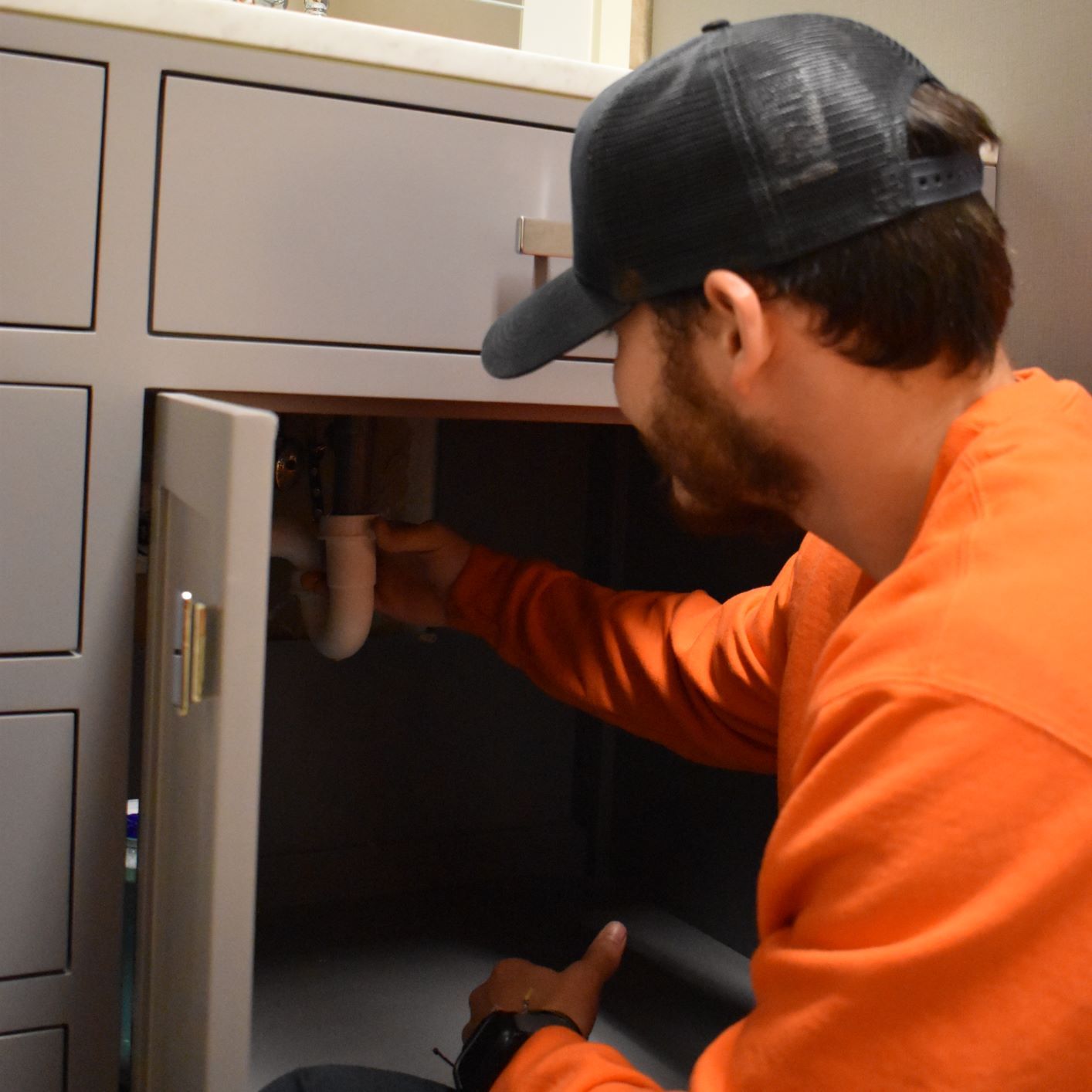
Thinking About a Kitchen Remodel? Don’t Forget the Plumbing! (Minneapolis & North Metro Guide)
A kitchen remodel is usually all about cabinets, countertops, and that “finally” moment when the space looks the way you want. But if you’re planning a kitchen plumbing upgrade in Minneapolis (or anywhere in the North Metro), the plumbing decisions you make before the pretty stuff goes in are what keep the project on schedule—and keep you from tearing into brand-new finishes later.
I’m Caleb with MH Plumbing. We work with North Metro homeowners and GCs who want the same thing: no chaos. That means clean job sites, clear communication, and plumbing that’s set up right so the rest of the project goes smoothly.
Why kitchen plumbing is the “silent” make-or-break part of a remodel
The hidden cost of ignoring plumbing until the cabinets show up
The plumbing is mostly invisible once the kitchen is finished—which is exactly why it gets ignored. The problem is, the most expensive plumbing mistakes are the ones you discover after cabinets and countertops are installed.
Common examples we see in Minneapolis-area remodels:
Old shutoffs that won’t fully close when you need them.
Drain venting issues that show up as slow drains or sewer smell.
Fridge water lines routed in a way that kinks, rubs, or leaks behind cabinets.
Dishwasher and disposal connections that drip just enough to damage a cabinet base over time.
None of these are fun to fix later. And they’re all avoidable when the plumbing is planned early.
What “No Chaos” looks like on a kitchen project
For us, “No Chaos” means:
We coordinate with your GC so rough-in and trim-out happen when they should.
We protect finished surfaces, clean up daily, and respect your home like it’s our own.
We communicate clearly if we find something unexpected behind the walls.
We’re transparent about pricing and scope so there are no surprise change orders.
The kitchen plumbing upgrades worth considering (with real-world reasons)
Not every kitchen needs a total repipe. But most remodels are the perfect time to upgrade the parts that cause the most headaches later.
Shutoff valves that actually shut off
If your shutoffs are old, corroded, or frozen, the remodel is the time to replace them. Good shutoffs matter when:
You need to swap a faucet quickly without shutting down the whole house.
A supply line fails and you need water off now.
It’s a small cost compared to the damage a slow leak can cause inside a cabinet base.
Supply lines and pipe materials: when replacement is the smart move
If we open up a wall and see tired materials (or questionable DIY work), it’s worth discussing replacement while access is easy. Depending on the home, that might mean updating old stops and supplies, reworking undersink piping, or improving line routing so it’s serviceable.
We’ll talk you through what’s necessary vs. what’s “nice to do.” No upsell game—just clean decisions.
Drain, waste, and vent (DWV): prevent slow drains and sewer smells
DWV isn’t glamorous, but it’s the difference between a sink that drains fast and a sink that gurgles every time the dishwasher pumps out.
During a kitchen remodel, we often evaluate:
Proper trap setup and correct drain slope.
Vent connections that keep the system flowing and odor-free.
Old, patched, or misaligned drain lines that are “working” but barely.
Garbage disposal + dishwasher hookups done right
Disposals and dishwashers are leak-prone when they’re installed in a rush or with the wrong fittings. A proper setup helps prevent:
Drips at the disposal discharge and dishwasher tailpiece connection.
Loose or kinked dishwasher supply lines.
Drain issues from incorrect hose routing.
Water filtration, instant hot, and pot fillers: plan the rough-in early
If you want reverse osmosis, a filtered water dispenser, instant hot at the sink, or a pot filler, don’t wait until the countertop is installed. These features can be great—but they need:
Space planning inside the sink base cabinet.
Correct valve placement for service access.
Clean routing that won’t interfere with drawers or pull-outs.
Gas line for a range: don’t treat this like an afterthought
Switching to a gas range (or relocating one) is a big upgrade—and it needs to be handled correctly. We see remodel timelines get squeezed when the appliance choice changes late and the gas line isn’t ready.
If a gas range is part of the plan, we’ll help make sure:
The gas line sizing and routing match the appliance requirements.
The hookup location works with the cabinet layout and range clearance.
The work is done safely and with the right level of documentation for the project.
Ice maker / fridge water line routing that won’t leak behind cabinets
The fridge line is one of the most common sources of “mystery water” on kitchen floors. The goal is a route that’s protected, accessible, and not being crushed every time the fridge is pushed back.
Moving a sink, dishwasher, or adding an island? Here’s what changes
Layout changes are where a kitchen remodel plumber in Minneapolis/North Metro earns their keep. Moving fixtures isn’t just “extend the pipes.” It can affect venting, drain slope, and what’s possible structurally.
Island sinks and vents: what’s possible in Minnesota homes
Island sinks are popular—and they’re also where we see the most confusion. Venting and drain routing depend on the home’s layout, basement access, and what’s already in place.
We’ll walk through options and constraints early so you’re not stuck compromising after framing and flooring are done.
Floor joists, basements, and finished ceilings: where projects get tricky
In a lot of North Metro homes, the kitchen sits over:
An unfinished basement (best-case access for plumbing changes).
A finished basement ceiling (possible, but it changes labor and patching plans).
Engineered joists or tighter structural constraints (requires careful planning).
Planning early keeps the solution clean—and keeps everyone from scrambling.
The “we’ll figure it out later” moment that wrecks schedules
Here’s the schedule killer: cabinets arrive, the GC’s ready to install, and suddenly the sink centerline, drain height, or dishwasher hookup is wrong for the new layout. Then everyone waits while trades reshuffle.
A quick pre-demo plumbing plan prevents that.
Permits, inspections, and code: what Minneapolis-area remodels typically require
Permitting can feel like a hassle, but it’s really risk management—especially on projects where you’re moving plumbing, adding gas, or making major changes.
When a permit is usually needed
Rules vary by exact scope and municipality, but permits are commonly required when you:
Relocate a sink, dishwasher, or other plumbing fixture.
Add new plumbing lines or significantly alter existing ones.
Modify gas piping for a range or other appliance.
If you’re not sure, we’ll help you clarify what applies to your project in Minneapolis or the surrounding North Metro cities.
Why inspections protect you (and your GC)
An inspection isn’t just a checkbox. It protects:
The homeowner, by verifying work was done safely and correctly.
The GC, by reducing callback risk and protecting reputation.
Kitchen remodel timeline: when to bring in the plumber
Good remodels are won or lost in sequencing. Here’s the clean way to do it.
Pre-demo planning meeting (best time to save money)
Before anything gets torn out, align on:
Final sink location, dishwasher location, and fridge location.
Appliance specs (range type, dishwasher requirements, filtration features).
Cabinet drawings so rough-ins land exactly where they should.
Rough-in stage (before drywall, floors, and cabinets)
This is where we set the bones of the project—water lines, drains, vents, gas routing (if needed), and shutoffs placed for real-world access.
Trim-out stage (final connections and testing)
After cabinets/counters are in, we come back for final hookups, testing, and making sure everything operates correctly without stressing new finishes.
Budgeting a kitchen plumbing upgrade in Minneapolis: what drives cost
People ask cost questions all the time, and it’s fair. The price is driven less by “kitchen” and more by scope and access.
Scope: refresh vs. reroute
Replacing shutoffs, supplies, and refreshing undersink plumbing is very different from moving a sink across the room or reworking venting.
Access: unfinished basement vs. finished spaces
If we can access lines from an unfinished basement, changes are usually straightforward. If we’re working through finished ceilings or tight chases, labor goes up because we’re protecting the home and doing it clean.
Fixtures: what you pick changes labor time
Some faucets, filtration systems, and specialty fixtures simply take longer to install correctly—especially when cabinet space is tight and we’re keeping everything serviceable.
Risk reduction: what you’re really paying for
In a remodel, you’re not only paying for parts and labor. You’re paying to reduce:
Schedule slips from last-minute plumbing surprises.
Leaks that damage brand-new cabinets and flooring.
Callbacks that cost you time, stress, and reputation.
A simple kitchen plumbing checklist (homeowners + GCs)
Questions to answer before you order cabinets
Are we keeping the sink, dishwasher, and fridge in the same locations?
Are we adding filtration, instant hot, pot filler, or a beverage station?
Are we switching to a gas range or moving an existing one?
Will the sink base have pull-outs that affect plumbing clearance?
Do we have access from below, or is there a finished ceiling?
Questions to ask your plumber before rough-in
Where will shutoffs be located for easy service access?
How will the dishwasher drain and supply be routed to prevent leaks and kinks?
Is the venting plan solid for the new layout?
If gas is involved, what’s the plan for line sizing and safe routing?
Why MH Plumbing is a fit for kitchen remodel plumbing in the North Metro
If you’re looking for a kitchen plumbing upgrade in Minneapolis or nearby (Blaine, Coon Rapids, Andover, Ham Lake, and the North Metro area), our whole approach is built around predictable execution.
Clean job sites, proactive updates, transparent pricing
We respect the home with protection, cleanliness, and careful work practices.
We respect the schedule with reliable arrivals and proactive communication.
We stay transparent so you know what’s happening and what it costs.
Partner mindset with GCs (and respectful guest in your home)
For GCs, we operate like a real subcontractor partner—clear updates, clean handoffs, and plumbing that doesn’t create punch list drama. For homeowners, we show up like someone you’d trust with your house keys.
Next step: schedule a walkthrough or discovery call
If you’ve got plans (or even a rough idea) for a kitchen remodel, let’s look at the plumbing early. That’s the easiest way to prevent delays and protect your new finishes.
FAQ: Kitchen plumbing upgrades during a remodel
Can I keep my existing plumbing if nothing is leaking?
Sometimes, yes. But “not leaking today” isn’t the same as “low risk.” If the remodel opens up walls or makes future access difficult, it’s smart to evaluate shutoffs, supply lines, and any questionable connections while everything is exposed.
Should I replace galvanized or older copper during a kitchen remodel?
If older piping is in the immediate work area, it’s worth discussing replacement or updates as part of the remodel scope—especially if the new kitchen will make future access harder. We’ll show you what we see and make a clean recommendation based on condition and risk.
Do I need a plumber to install a kitchen faucet and sink?
Many homeowners can physically install a faucet, but the details matter: shutoff condition, correct supplies, leak testing, disposal/dishwasher tie-ins, and making sure everything is serviceable. If the kitchen is brand new, most people prefer having it done professionally to avoid cabinet damage.
How do I avoid leaks behind new cabinets?
Use quality shutoffs and supplies, route fridge and dishwasher lines so they don’t kink, and make sure every connection is tested before the kitchen is “fully buttoned up.” The best prevention is involving your plumber early—before cabinets lock everything in.
