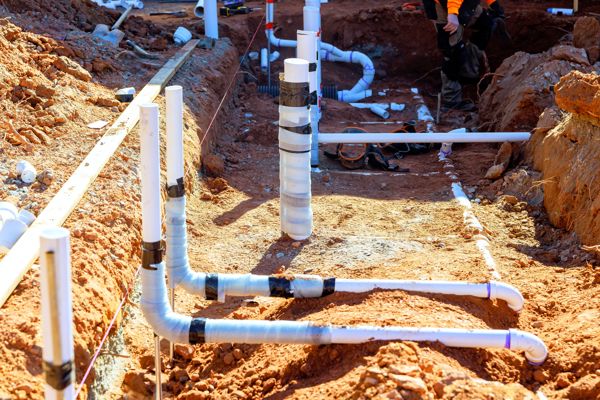
Construction plumbing mistakes that blow budgets and delay builds, and how to prevent them in the planning phase
Builders don’t lose money because a plumber forgot a fitting. Budgets get torched and schedules slide because planning details were fuzzy, decisions were late, or trades weren’t coordinated before rough-in. Then the “plumbing issue” shows up as rework, change orders, inspection misses, and trade stacking that kills momentum.
MH Plumbing works with high-end remodelers and custom home builders across the North Metro, Blaine, Coon Rapids, Andover, Ham Lake, and nearby. Our No Chaos approach is simple: respect the schedule, keep the job site clean, communicate daily, and price transparently. This post breaks down the most common construction plumbing mistakes we see, and how to prevent them during the planning phase so you can protect your margin and your reputation.
Why plumbing planning problems show up as budget overruns (not “plumbing issues”)
The real cost: rework, inspection misses, and trade stacking
One missed decision can ripple through every trade. A late tub change can shift the drain location, which changes framing, which changes tile layout, which forces a revisit, which pushes inspection, which delays insulation and drywall. The plumbing line item is rarely the only cost, it’s the trigger.
Where overruns typically come from:
Rework after framing or after pour because locations were not confirmed.
Extra mobilizations because the site was not ready when the plumber arrived.
Trade stacking where crews trip over each other and productivity drops.
Missed inspections that force schedule reshuffles and overtime elsewhere.
Reputation risk: homeowners remember delays, not excuses
Your client may never understand why a vent route mattered, but they will remember that the project “ran long” or felt chaotic. For high-end builds, that’s the real risk. They don’t just pay for a finished house, they pay for a smooth experience. A planning-first approach is reputation insurance.
The top construction plumbing mistakes builders make before rough-in
Mistake 1: Starting without a fixture schedule and spec sheet locked
Rough-in depends on exact specs: rough-in dimensions, drain outlet positions, valve requirements, shower systems, freestanding tub placement, and water supply needs. “We’ll pick it later” often becomes, “We had to move it later.”
Prevent it during planning: Build a fixture schedule that includes manufacturer, model numbers, rough-in requirements, and lead times. If the finish selection is truly unknown, define an allowance and a placeholder spec with the same rough-in footprint.
Mistake 2: Under-scoping mechanical needs (water heater, boilers, ductless, makeup air)
Plumbing and mechanical are connected. If the plan shifts from a standard water heater to a high-demand setup, or you add a radiant boiler, snow-melt, or ductless mini splits, the space planning, venting, condensate routing, and electrical coordination change too.
Prevent it during planning: Decide early on the mechanical strategy and confirm location, clearances, venting path, and service access. If the client is “maybe” on radiant, treat it like a real option and price the impacts before the build is underway.
Mistake 3: Missing a coordination meeting with framing, HVAC, and electrical
Rough-in is a choreography. Without a quick huddle, you end up with conflicts: ducts in joist bays needed for drains, electrical where venting needs to run, or framing that blocks a clean route. This is one of the fastest ways to create preventing construction delays Minneapolis builders care about, because it stops the domino effect.
Prevent it during planning: Hold a pre-con coordination meeting with the GC, plumber, HVAC, and electrical. Confirm main runs, mechanical room layout, key penetrations, and sequencing so nobody is guessing.
Mistake 4: Ignoring structural realities (beams, joists, trusses) until it’s too late
The plan might show a perfect drain line, but the actual structure might not allow it without drops, soffits, or engineered solutions. Waiting to discover that after framing is when costs spike.
Prevent it during planning: Review structural plans with the plumbing layout. Identify any tight runs early so you can either reroute, plan soffits intentionally, or coordinate engineered holes where permitted.
Mistake 5: No plan for venting paths and roof penetrations
Venting gets messy when it’s not planned. Roof penetrations, offsets, and shared chases all need space. If the roof design is complex, or you’re trying to keep penetrations clean for aesthetics, vent planning matters even more.
Prevent it during planning: Confirm vent paths, chase locations, and roof penetration coordination. If the client cares about roof lines, plan vent terminations deliberately, not as an afterthought.
Mistake 6: Treating basement and slab work like an afterthought
Basement baths, bars, laundry moves, and slab penetrations are where “close enough” becomes expensive. Concrete does not forgive late changes.
Prevent it during planning: Lock underground and slab locations with measurements tied to reference points. For basement remodels, verify elevations and existing conditions before finalizing layouts. If there’s any doubt, plan a site verification before cutting or breaking.
Mistake 7: Assuming “standard” code details without confirming local expectations
Even within Minnesota, inspector expectations and interpretations can vary. A detail that passed on the last job might get flagged on the next one, especially if the scope is unique.
Prevent it during planning: Have your plumbing partner confirm local code requirements and inspection checkpoints early. Build those checkpoints into the schedule so you are not scrambling for a reinspection.
Mistake 8: Not defining allowances and change-order rules up front
Change orders are not the enemy. Unclear change orders are. The blowups happen when scope is assumed, pricing is vague, or approvals happen after the work is already done.
Prevent it during planning: Put it in writing: what’s included, what’s excluded, what’s an allowance, and what triggers a change order. Set an approval path and a turnaround time so the schedule stays intact.
Mistake 9: No access strategy for shutoffs, cleanouts, and serviceability
A build can look perfect and still be a headache later if shutoffs are buried, cleanouts are inaccessible, or equipment can’t be serviced without demo. That leads to callbacks and uncomfortable conversations with the homeowner.
Prevent it during planning: Design for service. Confirm access panels, shutoff locations, cleanout placement, and mechanical clearances before finish work starts. This protects the homeowner and protects your name.
Mistake 10: Picking a plumber who doesn’t run a schedule and communication system
The cheapest number often costs the most time. If the plumbing sub is hard to reach, shows up whenever, or leaves a mess, you end up managing their job on top of yours. That’s where GC stress and delays come from.
Prevent it during planning: Ask how they schedule, how they communicate, and what happens when something changes. A reliable partner should be able to explain their process clearly, not just their price.
Planning-phase prevention: a No Chaos checklist builders can use on every project
Pre-planning documents to gather before the plumber prices anything
If you want clean pricing and fewer surprises, bring clarity early. Here’s what we like to see before we finalize a scope:
Architectural plans plus reflected ceiling plans where available.
Structural plans showing beams, joists, and any engineered members.
Fixture schedule with model numbers, or defined allowances with placeholders.
Mechanical intent, including boilers, radiant zones, ductless, and venting plans.
Existing conditions notes for remodels, including photos and access limitations.
A rough-in readiness checklist that prevents trade stacking
Rough-in goes fast when the site is ready. These are basic, but missing any one of them can cost days:
Framing complete in plumbing areas, with chases built where planned.
Clear access to the job site, including keys, lockbox, or entry plan.
Material staging area identified so parts are not scattered in living spaces.
Sequencing confirmed with HVAC and electrical for shared joist bays.
A clean change-order process that protects your margin and your client
A good change-order process keeps trust intact. For builders, the goal is no surprises and no arguments. A clean system includes:
Written scope language that defines what is included and excluded.
Documented pricing for changes before work starts when schedule allows.
Clear approvals, including who can authorize and how fast decisions must be made.
Preventing construction delays in Minneapolis and the North Metro: what to watch for locally
Inspection timing and sign-offs, plan for them, don’t chase them
Schedules slip when inspections are treated like a surprise step. In the North Metro, the fix is simple: plan inspection windows into the schedule and confirm the scope is truly ready before calling for inspection. That prevents the double hit of a miss and a reinspection.
Winter constraints, protect the schedule with smart sequencing
Minnesota winter changes logistics. Frozen ground, access issues, and temperature constraints affect pours, temporary heat, and material handling. If mechanical rooms, penetrations, or water service timing is tight, winter can turn a small delay into a big one.
Planning actions that help:
Confirm temporary heat expectations and who owns them early.
Sequence underground and exterior work with weather reality in mind.
Protect finish materials and keep work areas clean and safe for crews.
What “premium plumbing” should include for builders (and what it should prevent)
Predictable execution: on-time arrivals and realistic durations
Premium is not fancy language. It’s predictability. Builders pay for a partner who shows up when scheduled, finishes the phase as planned, and flags problems before they become delays.
Daily updates that stop the GC from babysitting the job
GCs are time-strapped. The best plumbing partner reduces communication load. Daily updates can be short, but they should be consistent: what got done, what’s next, and what decisions are needed.
Job site cleanliness that protects the homeowner relationship
On high-end projects, cleanliness is not cosmetic. It’s part of client trust. A messy trade makes the whole project feel out of control, even if the work is technically correct.
Transparent billing that eliminates surprise numbers
Builders don’t mind paying for real work. They do mind mystery invoices. Transparent billing means clear scope, documented changes, and pricing that matches what was agreed to.
How MH Plumbing partners with builders during planning to keep projects moving
Our No Chaos SOP in plain terms
Here’s what “No Chaos” looks like on a real schedule:
On-time arrivals with clear scheduling and realistic durations.
Proactive daily communication so you are not chasing updates.
Spotlessly clean job sites, respect for the home and the crew.
Transparent pricing and documented change orders, no surprise numbers.
How to start: a simple pre-con meeting and a clear scope
If you’re planning a custom build or a high-end remodel in the North Metro, the cleanest start is a short pre-con meeting. We’ll review plans, confirm fixture intent, identify risk areas, and build a scope that matches the schedule. That’s how budgets stay predictable and projects keep moving.
Builder FAQ: planning questions that prevent plumbing surprises
When should the plumber be brought in on a custom build or high-end remodel?
Before rough-in pricing is finalized and before framing is complete. Early involvement helps catch structural conflicts, confirm venting paths, and lock fixture requirements so you’re not paying for changes later.
What causes the most plumbing change orders on new construction?
Late fixture changes, added features like extra shower heads or a different tub type, mechanical strategy changes, and layout shifts after framing. Most of them are avoidable with a locked spec sheet and a clear allowance plan.
How do we avoid fixture lead time delays?
Put lead times on the fixture schedule, order early, and confirm rough-in compatibility before purchase. For high-end fixtures, get the rough-in valves and carriers on site early even if trim comes later.
What should be in a plumbing proposal so it’s apples to apples?
A builder-grade proposal should include scope inclusions and exclusions, allowance definitions, fixture assumptions, inspection responsibility, change-order process, and schedule expectations. If any of those are missing, comparisons get messy fast.
If you want a plumbing partner that respects your schedule, protects your reputation, and keeps the job site clean, MH Plumbing is built for that. Check out our project videos and reviews, then reach out to line up a pre-con walk-through for your next North Metro build.
